1. The Strategic Importance of EPC Contractors in the Energy Sector
The accelerating transformation of the global energy sector has significantly increased demand for large-scale, technically complex infrastructure projects. From conventional oil and gas developments to emerging energy systems, project owners are under growing pressure to deliver facilities that meet stringent performance, safety, and regulatory requirements while controlling cost and schedule risks.
In this context, the role of an EPC contractor has become central to project success. By consolidating engineering, procurement, and construction responsibilities under a single contractual framework, EPC delivery models provide clarity of accountability and reduce coordination risks that often arise in multi-contractor environments.
Large-scale energy projects typically involve complex interfaces between civil works, process systems, utilities, and regulatory constraints that evolve throughout the project lifecycle. Without an integrated delivery structure, these interfaces often become sources of technical conflict, cost overruns, and schedule disruption.
The EPC model addresses these challenges by centralizing technical decision-making, standardizing execution procedures, and aligning engineering intent with procurement and construction realities. This integrated approach enables more effective risk allocation, streamlined communication among stakeholders, and consistent quality control from early design through final commissioning.
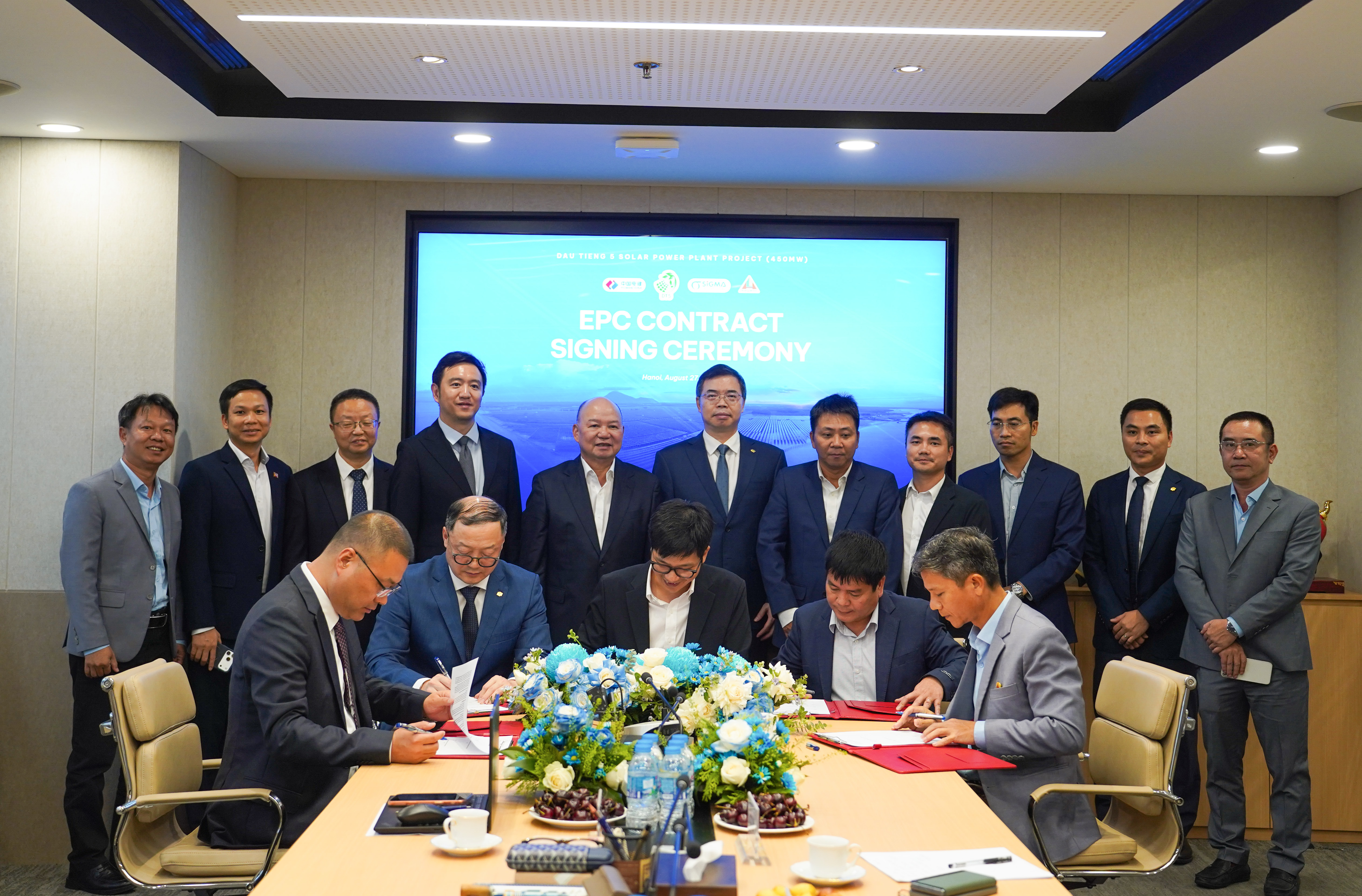
At Hoàng Liên Sơn , EPC execution is viewed as an engineering-driven discipline rather than a construction-only activity. Through comprehensive EPC construction services , the company enables clients to manage complexity across the full project lifecycle—from conceptual design and procurement planning to construction, commissioning, and handover—ensuring long-term operational reliability.
2. Engineering Excellence as the Foundation of EPC Delivery
Engineering as the Foundation of EPC Project Success
Engineering is the decisive factor that determines whether an EPC project achieves its technical, financial, and operational objectives. In large-scale energy developments, decisions made during early engineering phases define not only constructability and cost efficiency, but also long-term safety, reliability, and sustainability of the asset. A robust engineering foundation reduces uncertainty, enhances predictability, and establishes a clear technical roadmap for downstream procurement and construction activities.
Early engineering also plays a critical role in aligning project scope with regulatory requirements, site constraints, and client performance expectations. Through detailed front-end engineering and systematic design validation, potential technical risks can be identified and mitigated before they escalate into costly changes during construction.
This disciplined approach enables EPC projects to progress with greater confidence, ensuring that engineering intent is consistently translated into efficient procurement strategies and executable construction plans.
Multidisciplinary Engineering Integration
Hoàng Liên Sơn adopts a fully integrated, multidisciplinary engineering model that brings together civil, structural, mechanical, electrical, and instrumentation disciplines within a unified design framework. Rather than developing these disciplines in isolation, engineering teams collaborate continuously to manage complex interfaces and eliminate design conflicts at an early stage.
This level of coordination enables design decisions to be evaluated not only from a technical perspective but also in terms of construction sequencing, installation tolerances, and long-term operability. By synchronizing discipline inputs early in the design process, Hoàng Liên Sơn minimizes late-stage design changes, reduces interface risks, and creates a stable engineering baseline that supports efficient procurement and predictable construction execution.
This approach is especially critical in energy infrastructure projects where heavy structures, process equipment, and utility systems must function as a cohesive whole. Integrated engineering ensures that load paths, equipment layouts, access requirements, and maintenance considerations are aligned from the outset, improving both constructability and operational efficiency.
Specialized Engineering for LNG Structures and Cryogenic Systems
Projects involving LNG structures present unique engineering challenges due to extreme operating conditions. Cryogenic temperatures, high structural loads, and stringent safety requirements demand advanced analytical methods and specialized design expertise.
Hoàng Liên Sơn addresses these challenges through detailed structural analysis, thermal stress modeling, and seismic design tailored to site-specific conditions. Engineering solutions account for material behavior at low temperatures, differential settlement, and dynamic loading, ensuring that LNG facilities remain safe and stable throughout their service life. This level of technical rigor is essential to meeting international codes and ensuring long-term asset integrity.
Engineering-Led Constructability and Risk Management
A defining element of Hoàng Liên Sơn’s EPC methodology is the integration of constructability reviews and risk assessments directly into the engineering phase. Engineering teams work closely with construction specialists to evaluate sequencing, access, lifting strategies, and temporary works requirements before construction begins.
By identifying potential conflicts early—such as congested interfaces, impractical tolerances, or complex erection sequences—engineering-led constructability planning minimizes rework, reduces on-site modifications, and enhances safety during execution. This proactive risk management approach is fundamental to delivering large-scale energy projects on schedule and within budget.
Alignment Between Engineering, Procurement, and Construction
Effective EPC delivery requires seamless alignment between engineering outputs, procurement strategies, and construction methodologies. Hoàng Liên Sơn ensures that design specifications are developed with full awareness of material availability, fabrication capabilities, and logistical constraints.
This alignment enables procurement teams to source equipment and materials that fully comply with engineering intent while optimizing lead times and costs. Construction planning, in turn, benefits from designs that are practical, standardized, and execution-ready. As a result, EPC construction services achieve greater certainty in schedule, cost control, and overall project performance.

3. Procurement Strategy and Global Supply Chain Management
Strategic Procurement as a Core EPC Function
Procurement in large-scale energy EPC projects is a strategic discipline that directly influences cost control, schedule certainty, and overall project quality. Rather than focusing solely on purchasing activities, procurement encompasses supplier strategy, contract management, logistics coordination, and compliance assurance to support seamless project execution.
In complex energy developments, early procurement involvement is essential to mitigate market volatility, long lead times, and supply chain constraints that can impact project outcomes. By aligning procurement strategies with engineering decisions at an early stage, EPC teams can standardize specifications, optimize supplier selection, and secure critical materials in advance.
This proactive approach enhances cost predictability, reduces procurement-related risks, and ensures that procurement activities actively support overall EPC execution objectives rather than reacting to construction pressures.
Vendor Qualification and Equipment Sourcing
As an experienced EPC contractor, Hoàng Liên Sơn applies rigorous vendor prequalification processes to ensure that all suppliers meet technical, safety, and regulatory requirements. Established relationships with reputable global manufacturers enable reliable sourcing of critical equipment such as pressure vessels, rotating machinery, piping systems, and specialized components for ethane / LPG tanks , where material traceability and fabrication quality are essential.
This disciplined sourcing approach ensures consistency between design specifications and delivered equipment, reducing the risk of non-conformance or on-site modifications. By closely coordinating with vendors throughout fabrication, inspection, and delivery stages, Hoàng Liên Sơn maintains full visibility over quality and schedule performance, allowing EPC construction services to progress without disruption and ensuring that critical equipment is fully aligned with project engineering and operational requirements.
Logistics, Quality Control, and Schedule Integration
Procurement activities are closely aligned with construction sequencing to optimize delivery timing and minimize on-site storage risks. Quality assurance processes, including factory inspections, documentation review, and compliance verification, are embedded throughout the supply chain. By integrating procurement planning with EPC construction services, Hoàng Liên Sơn ensures that materials and equipment arrive on site ready for installation, supporting efficient construction workflows and predictable project delivery.
This level of coordination reduces interface risks between suppliers and site teams, prevents installation delays caused by non-conforming materials, and maintains continuous construction progress. As a result, procurement becomes a proactive enabler of schedule control rather than a reactive support function, reinforcing overall EPC execution discipline.
4. Construction Management and On-Site Execution Capability
Construction is the most visible phase of EPC delivery, but its success is determined long before ground is broken. In large-scale energy projects, construction activities must be executed in tightly controlled environments governed by safety, environmental, and regulatory constraints.
Hoàng Liên Sơn’s EPC construction services emphasize disciplined site management, detailed method statements, and strict adherence to HSE standards. This is particularly critical in oil and gas facilities, where high-risk operations require precise coordination between civil works, mechanical erection, piping installation, and electrical and instrumentation systems.
Through integrated scheduling and progress monitoring, construction teams can identify potential bottlenecks early and implement corrective actions. This structured approach ensures that project milestones are achieved without compromising safety or quality, reinforcing the value of a single-point-responsibility EPC model.d within.
By maintaining close alignment between site execution, engineering support, and procurement flows, construction activities remain synchronized with overall project objectives. Clear communication channels, daily coordination meetings, and real-time reporting enable rapid decision-making on site, reducing disruptions and rework.
As a result, construction execution becomes a controlled and predictable process that translates upstream planning into safe, efficient, and timely project delivery. This level of execution discipline is essential for delivering complex energy assets that must operate continuously under demanding conditions.
By enforcing standardized procedures and maintaining strict oversight throughout construction, Hoàng Liên Sơn ensures that completed facilities transition smoothly into commissioning and operations, preserving design intent and long-term asset performance.

5. Integrated Systems and Utility Coordination
Utility Systems as an Integral Part of Energy Facilities
Modern energy facilities operate as highly interconnected systems where process units cannot function independently from their supporting utilities. Power distribution networks, compressed air systems, water treatment facilities, fire protection infrastructure, and HVAC systems must be engineered and installed as part of a unified operational ecosystem. Any misalignment between process and utility systems can directly impact plant reliability, safety, and efficiency.
Integrated Design and Installation of Utilities
Hoàng Liên Sơn’s EPC construction services emphasize early-stage coordination between core process equipment and utility infrastructure. Utility systems are designed in parallel with process engineering to ensure that capacity, redundancy, and operational parameters are fully aligned. This integrated approach supports stable operations, optimizes energy consumption, and ensures compliance with applicable technical and safety standards across the entire facility lifecycle.
Interface Management and Operational Reliability
By managing process–utility interfaces within a single EPC framework, Hoàng Liên Sơn minimizes the risk of system incompatibility, installation conflicts, and performance degradation. This is particularly critical for facilities operating under continuous duty or high-load conditions, where even minor utility disruptions can lead to significant operational and financial impacts. Unified EPC execution ensures that all supporting systems contribute to long-term reliability rather than becoming sources of operational risk.
6. Safety, Compliance, and Risk Management in EPC Projects
Safety, Compliance, and Risk Management as Core EPC Principles
Safety and regulatory compliance are non-negotiable foundations of EPC execution in the energy sector. Large-scale facilities must meet stringent international standards, local authority requirements, and established industry best practices, particularly for projects linked to the petroleum industry , where operational risks and regulatory scrutiny are inherently high.
Risk management is therefore embedded into every stage of EPC delivery, from early engineering and constructability reviews to on-site execution and commissioning. By systematically identifying hazards, implementing preventive controls, and enforcing strict HSE governance, EPC projects can achieve not only regulatory approval but also stable, incident-free operations throughout their lifecycle.
Risk Management Embedded Across the EPC Lifecycle
Hoàng Liên Sơn integrates safety and compliance considerations into every phase of EPC construction services, beginning at the engineering stage. Early hazard identification, risk assessments, and constructability reviews allow potential safety issues to be addressed before they escalate during construction or operation. This engineering-led risk management approach ensures that safety is built into the design, not retrofitted on site.
This proactive methodology continues through procurement, construction, and commissioning, where strict HSE procedures, monitoring systems, and compliance audits are consistently applied. By maintaining continuous alignment between engineering intent and site execution, risk controls remain effective throughout the project lifecycle, supporting safe operations, regulatory confidence, and long-term asset reliability.
On-Site Safety Control and Regulatory Assurance
During construction and commissioning, structured HSE management systems, strict work permit controls, and continuous safety monitoring are applied to protect personnel, equipment, and the surrounding environment. By maintaining close alignment with regulatory bodies and inspection authorities, Hoàng Liên Sơn facilitates smoother approvals, reduces compliance-related delays, and supports timely project completion with full operational readiness.
This disciplined on-site approach is reinforced by regular safety training, toolbox meetings, and performance reviews, ensuring that all contractors and workers consistently adhere to approved procedures. As a result, safety management becomes an integral part of daily operations rather than a standalone requirement, strengthening overall project control and execution reliability.
7. Digitalization and Project Control in EPC Delivery
Digitalization as a Driver of EPC Project Efficiency
Digitalization is increasingly shaping how EPC projects are planned, managed, and delivered. Advanced modeling platforms, integrated data environments, and real-time reporting tools provide EPC teams with enhanced visibility into project status, enabling informed decision-making and consistent alignment among all stakeholders.
Digitalization also enhances collaboration across geographically dispersed project teams by establishing a single source of truth for technical data, schedules, and progress updates. By standardizing information flows and automating reporting processes, EPC organizations can reduce manual errors, accelerate approvals, and maintain tighter control over scope changes.
This level of transparency is particularly valuable in complex energy projects, where timely coordination between engineering, procurement, and construction directly impacts overall project performance.
Digital Project Control and Coordination
Hoàng Liên Sơn applies digital transformation construction practices to strengthen project control across engineering, procurement, and construction phases. Digital tools support EPC construction services through accurate schedule tracking, cost monitoring, and centralized document management, reducing information silos and minimizing coordination gaps between disciplines.
By integrating digital platforms into daily project workflows, project teams gain real-time visibility into progress, risks, and resource utilization. This enables early identification of deviations from baseline plans and supports proactive corrective actions. As a result, coordination between disciplines becomes more efficient, decision-making is accelerated, and overall EPC execution remains aligned with quality, safety, and schedule objectives.
Lifecycle Data Management and Handover Readiness
Beyond construction, digitalization plays a critical role in knowledge retention and lifecycle asset management. Structured digital records, as-built models, and system data ensure that operational teams receive complete and reliable information at handover, supporting efficient commissioning, maintenance planning, and long-term asset performance.
By maintaining a single source of truth for technical documentation and asset data, project stakeholders can ensure continuity from project delivery into operations. This level of data integrity reduces information loss, supports regulatory compliance, and enables operators to manage facilities more effectively throughout the asset lifecycle.

8. EPC Solutions Supporting the Energy Transition
While traditional energy projects remain essential, the global shift toward sustainability is reshaping EPC priorities. Energy developers increasingly seek contractors capable of delivering both conventional and transitional energy infrastructure.
With experience spanning renewable energy and conventional developments, Hoàng Liên Sơn positions its EPC construction services to support hybrid energy portfolios. This flexibility enables clients to adapt to evolving regulatory frameworks and market demands while maintaining operational continuity.
By applying EPC discipline across diverse energy systems, the company contributes to a balanced and resilient energy infrastructure landscape. This integrated capability allows Hoàng Liên Sơn to transfer proven engineering, risk management, and project control practices across different energy domains, including renewable and low-carbon initiatives alongside established oil and gas assets.
By leveraging consistent EPC frameworks, standardized governance, and lifecycle-oriented planning, the company helps project owners achieve sustainable development goals without compromising technical integrity, safety performance, or long-term asset value.

9. Hoàng Liên Sơn – A Trusted EPC Partner for Complex Energy Projects
Delivering complex energy infrastructure requires more than technical capability—it demands accountability, experience, and a long-term commitment to project success. As a dedicated EPC contractor , Hoàng Liên Sơn combines engineering expertise, disciplined execution, and integrated project management to deliver full-scope EPC construction services tailored to the energy sector.
By aligning engineering, procurement, and construction under a unified delivery model, Hoàng Liên Sơn helps project owners reduce risk, optimize investment, and achieve sustainable operational outcomes. This approach positions the company as a reliable partner for large-scale, technically demanding energy projects across Vietnam and beyond.
This partnership-oriented approach ensures that project objectives are clearly defined, risks are proactively managed, and performance expectations are consistently met throughout the project lifecycle.
Through transparent communication, rigorous quality control, and continuous alignment with client priorities, Hoàng Liên Sơn reinforces its role as a trusted EPC partner capable of delivering energy infrastructure that meets both immediate execution requirements and long-term strategic goals.
Contact Hoàng Liên Sơn today to discuss optimal EPC solutions and bring safe, efficient, and sustainable energy projects into reality!