1. Introduction: Strategic Importance of LNG Terminal Construction
The accelerating global demand for cleaner and more flexible energy sources has positioned liquefied natural gas as a cornerstone of modern energy infrastructure. As supply chains become increasingly international, LNG terminal construction plays a decisive role in enabling secure energy import and export flows across regions.
Both LNG import terminal and LNG export terminal developments require complex infrastructure capable of handling cryogenic processes, large-scale storage, and high-throughput marine logistics. These facilities are no longer simple port extensions; they are integrated industrial systems combining civil works, structural engineering, mechanical systems, and digital control platforms.
Building on this role, modern LNG terminals are designed as strategic gateways that connect upstream gas production with downstream distribution networks and power generation systems. LNG terminal construction must therefore address not only technical performance, but also long-term operability, safety management, and regulatory compliance across multiple jurisdictions.
For both LNG import terminal and LNG export terminal projects, careful coordination of engineering design, construction execution, and commissioning is essential to ensure stable operations, minimize lifecycle risk, and support the resilience of global energy supply chains.
At Hoàng Liên Sơn , LNG terminal development is approached as a full-scope infrastructure challenge, where engineering discipline, construction execution, and long-term operability are treated as equally critical success factors.
2. Functional Role of LNG Import and Export Terminals
An LNG import terminal serves as the primary gateway for receiving liquefied natural gas via LNG carriers, storing it in cryogenic tanks, and regasifying it for downstream distribution. Conversely, an LNG export terminal enables the aggregation, liquefaction, storage, and shipment of natural gas to international markets.
In both cases, LNG terminal construction must address:
- High-capacity marine berths and jetty structures
- Cryogenic storage tanks and containment systems
- Process units for regasification or liquefaction
- Utility systems, control buildings, and safety zones
These elements are tightly integrated through engineered layouts that ensure safe separation distances, efficient material flow, and compliance with international safety regulations.
From a structural perspective, LNG terminals share common engineering principles with LNG structures , where load management, thermal behavior, and long-term durability are core design drivers. At an infrastructure level, both terminal types demand a coordinated approach that balances process efficiency with stringent safety requirements.
LNG terminal construction must integrate marine, structural, and process engineering to accommodate vessel berthing loads, thermal stresses from cryogenic operations, and dynamic forces generated during loading and unloading cycles. For an LNG import terminal, particular emphasis is placed on regasification reliability and grid interface stability, while an LNG export terminal prioritizes liquefaction efficiency, storage optimization, and high-throughput shipping operations.
In all cases, disciplined structural res that terminal facilities maintain integrity, operability, and regulatory compliance thrdesign—aligned with the same principles applied in large-scale LNG structures—ensuoughout decades of continuous operation.

3. Site Development and Civil Works for LNG Terminals
Site development is the foundation of successful LNG terminal construction, particularly for coastal or reclaimed land locations. Soil conditions, marine exposure, and environmental constraints significantly influence design and construction strategies for both LNG import terminal and LNG export terminal projects.
Key civil works include:
- Ground improvement and soil stabilization
- Heavy-duty foundations for tanks and process units
- Coastal protection structures and seawalls
- Drainage, firewater retention, and spill containment
These activities require extensive geotechnical investigation and careful sequencing to mitigate settlement risks and ensure long-term structural stability. Similar methodologies are widely applied in large-scale oil and gas infrastructure, where site conditions often dictate project feasibility and lifecycle performance.
Hoàng Liên Sơn leverages proven civil engineering practices to deliver robust terminal foundations capable of supporting decades of continuous operation.
Beyond initial earthworks, effective site development also requires close coordination with structural and marine engineering disciplines to ensure constructability and long-term resilience. In LNG terminal construction, early integration of foundation design with tank erection methods, jetty installation, and underground utility routing helps minimize rework and interface conflicts.
For both LNG import terminal and LNG export terminal projects, phased construction planning is essential to maintain stability during excavation, piling, and heavy lifting operations in coastal environments. By aligning geotechnical solutions with construction sequencing and risk management strategies, Hoàng Liên Sơn ensures that terminal sites provide a stable, durable platform for complex LNG facilities throughout their operational lifespan.
4. Structural Systems in LNG Terminal Construction
Structural Backbone of LNG Terminal Facilities
Structural systems constitute the physical backbone of both LNG import terminal and LNG export terminal developments. These systems are required to sustain extremely high static loads generated by cryogenic storage tanks, process equipment, and supporting infrastructure, while simultaneously accommodating dynamic forces such as wind loading, seismic events, and thermal contraction resulting from ultra-low operating temperatures. The ability of structural systems to perform reliably under these combined conditions is fundamental to safe and continuous terminal operations.
Reinforced Concrete Foundations and Containment Structures
Reinforced concrete is extensively applied in tank foundations, containment dikes, and heavy equipment supports. These elements are designed to distribute loads evenly, resist differential settlement, and maintain integrity under cryogenic exposure. In LNG terminal construction, foundation systems must also provide long-term resistance to aggressive marine environments, groundwater conditions, and potential accidental loads, ensuring stability throughout the facility’s lifecycle.
Steel Structures for Process and Utility Systems
Steel pipe racks, equipment platforms, and access structures form the structural framework that supports process piping, electrical systems, and maintenance activities. Their modular nature allows precise alignment with mechanical and process requirements while facilitating future expansion or modification. Within LNG import terminal and LNG export terminal projects, steel structures must be engineered to manage thermal movements and vibration without compromising operational safety.
Marine and Jetty Structures for LNG Carriers
Jetty, trestle, and berthing structures enable safe mooring, loading, and unloading of LNG carriers. These marine structures are subject to wave action, ship impact loads, tidal variations, and corrosion from seawater exposure. Structural design, therefore, emphasizes durability, redundancy, and robust load paths to ensure uninterrupted marine operations under varying environmental conditions.
Control Buildings and Auxiliary Facilities
Control rooms, substations, and auxiliary buildings house critical operational, electrical, and safety systems. Their structural design prioritizes protection against external hazards while maintaining stable internal environments for sensitive equipment. In integrated LNG terminal construction projects, these buildings are carefully positioned and engineered to comply with safety zoning requirements and ensure rapid accessibility during normal operations and emergencies.
Integrated Structural Execution within LNG Terminal Construction
Across all structural components, close coordination between design and construction teams is essential. Structural engineering decisions must remain aligned with site execution realities to avoid deviations that could affect safety or performance. By applying disciplined LNG terminal construction methodologies, structural systems are delivered as cohesive, resilient frameworks that support the complex operational demands of modern LNG import and export terminals.

5. Process Integration and Mechanical Interfaces
Integrated Coordination between Structural and Process Systems
Beyond core structural works, LNG terminal construction requires precise and disciplined integration with mechanical and process systems. Cryogenic piping networks, compressors, vaporizers, pumps, and loading arms must be installed within strict alignment and tolerance limits to ensure safe operation under extreme temperature and pressure conditions.
Any mismatch between structural supports and mechanical interfaces can lead to stress concentration, leakage risk, or long-term reliability issues.
Mechanical Interface Requirements for LNG Import Terminals
In an LNG import terminal, regasification systems represent a critical interface between cryogenic storage and downstream gas transmission. Vaporizers and associated piping impose both static and dynamic loads on supporting structures, requiring stable foundations and vibration-controlled supports.
Structural design must therefore accommodate thermal expansion, cyclic loading, and maintenance access while maintaining precise equipment positioning throughout the operational lifecycle.
Mechanical Loads and Thermal Effects in LNG Export Terminal
For an LNG export terminal, liquefaction trains introduce even greater mechanical and thermal demands. Compressors, heat exchangers, and cryogenic process units generate significant operational loads and temperature gradients that directly affect structural performance.
Supporting structures must be engineered to absorb thermal contraction and expansion without transferring excessive stress to mechanical equipment, ensuring continuous and safe liquefaction operations.
Interface Management Based on Petroleum Industry Practices
This level of multidisciplinary integration closely reflects established practices within the petroleum industry , where structural, mechanical, and process disciplines operate under tightly governed engineering frameworks.
Clear interface definitions, coordinated design reviews, and controlled installation sequences are applied to reduce clashes, manage risk, and maintain system integrity. By adopting these proven methodologies, LNG terminal projects achieve higher safety margins, smoother commissioning, and more predictable long-term performance.
6. EPC Delivery Model for LNG Terminal Projects
Given the scale and complexity of LNG infrastructure, the EPC delivery model has become the preferred approach for LNG terminal construction. Under this model, engineering, procurement, and construction activities are managed under a unified contractual structure.
Engaging an experienced EPC Contractor allows project owners to:
- Centralize accountability and decision-making
- Reduce interface conflicts between disciplines
- Align procurement schedules with construction sequencing
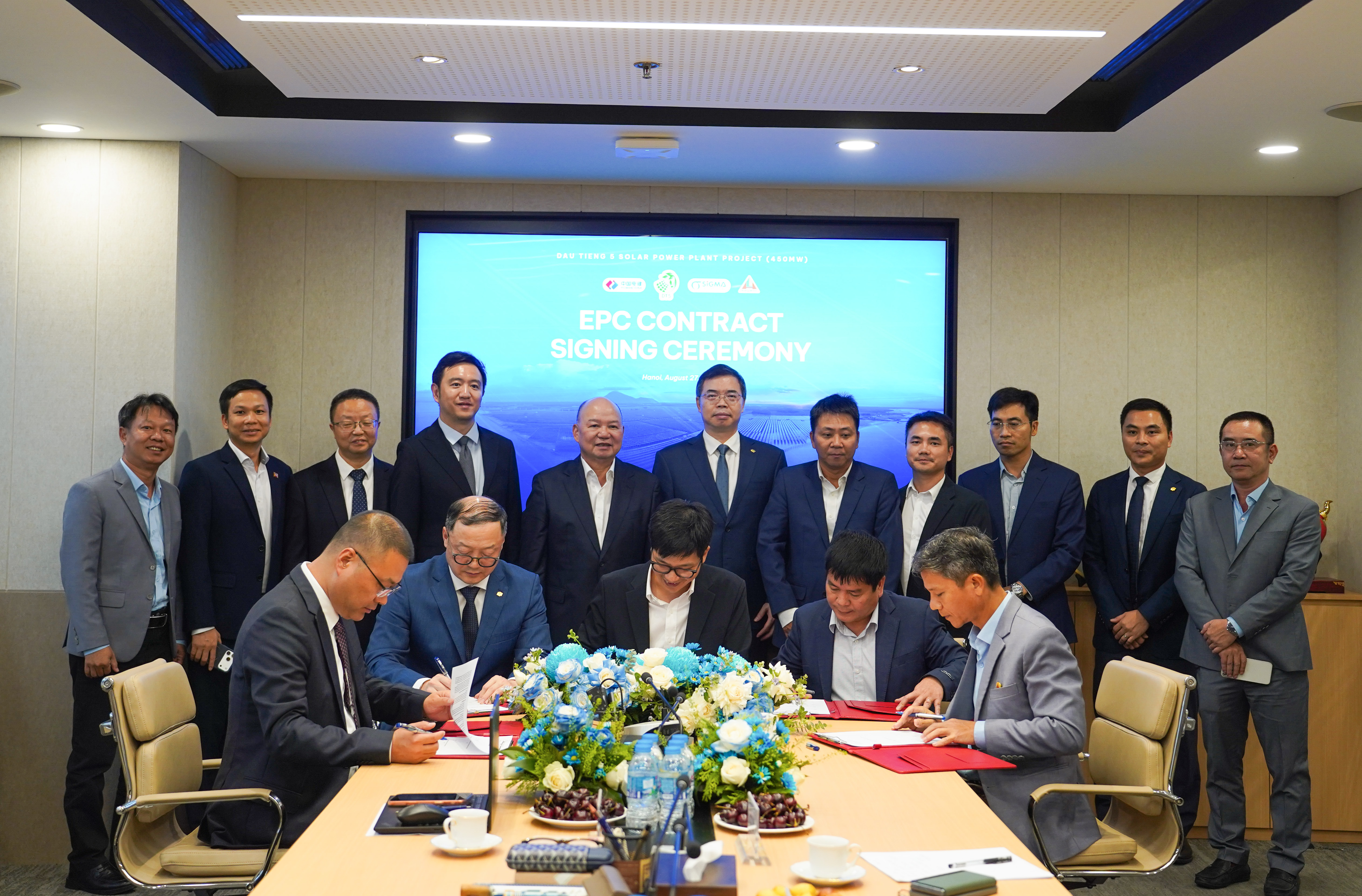
This approach is particularly effective for LNG import terminal and LNG export terminal projects involving specialized equipment, international suppliers, and strict inspection regimes. Hoàng Liên Sơn applies EPC principles to ensure schedule certainty, quality control, and cost transparency throughout the project lifecycle.
Building on this integrated delivery framework, EPC implementation also enhances risk management and project governance across all phases of LNG terminal construction. Early contractor involvement enables constructability reviews, logistics planning, and interface coordination to be addressed during the design stage rather than deferred to site execution.
This proactive approach reduces rework, minimizes schedule disruption, and improves safety performance—particularly critical for LNG import terminal and LNG export terminal projects where cryogenic systems, heavy lifting operations, and marine works must be precisely synchronized. By leveraging EPC delivery, Hoàng Liên Sơn ensures that complex LNG terminal developments are executed with disciplined control, predictable outcomes, and long-term operational reliability.

7. Digitalization in LNG Terminal Construction
Digital technologies have become a core component of modern LNG terminal construction , supporting accuracy, coordination, and risk reduction across project phases. Instead of functioning as standalone tools, digital platforms are increasingly embedded into engineering, construction, and quality management workflows.
BIM and design coordination
Building Information Modeling (BIM) platforms enable multidisciplinary teams to develop integrated 3D models that combine structural, mechanical, electrical, and process systems. For LNG import terminal and LNG export terminal projects, BIM allows early detection of design clashes, verification of clearances, and validation of constructability before site execution begins, significantly reducing rework and interface conflicts.
Construction simulation and sequencing optimization
Digital construction simulations support detailed planning of heavy lifts, modular installation, and marine logistics. By visualizing construction sequences in advance, project teams can optimize equipment access, crane utilization, and material flow, improving safety and schedule certainty in complex terminal environments.
Real-time quality and inspection management
Digital documentation and inspection platforms enable real-time tracking of quality records, test results, and regulatory approvals. Through digital transformation construction , inspection data is centralized, traceable, and easily auditable, supporting compliance with stringent safety and operational standards required for LNG terminals.
=> Together, these digital capabilities enhance transparency, improve coordination among stakeholders, and provide the level of control necessary to deliver reliable, compliant, and efficient LNG terminal facilities.
8. Supporting Infrastructure and Utility Systems
Supporting infrastructure plays a critical role in ensuring the safe and continuous operation of LNG terminals. Facilities such as control rooms, electrical substations, maintenance workshops, and utility buildings must be carefully planned and structurally integrated into the overall terminal layout to support both operational efficiency and safety requirements.
Integration of auxiliary facilities
Structural design must account for the functional relationship between primary process units and auxiliary facilities. Clear access routes, appropriate separation distances, and robust structural support allow control and utility buildings to operate reliably while remaining protected from process-related risks and environmental exposure.
Accommodation of HVAC and environmental control systems
Provision for HVAC systems is essential to maintain controlled environments for sensitive electrical, instrumentation, and automation equipment. In coastal LNG terminal settings, structural layouts must also consider corrosion protection, moisture control, and ventilation efficiency to prevent equipment degradation and unplanned downtime.
Enhancing operational reliability through layout optimization
Well-engineered layouts ensure that supporting infrastructure reinforces terminal performance rather than introducing additional risk. By integrating utility systems into a coherent structural and operational strategy, LNG terminal construction projects can reduce maintenance demands, improve system reliability, and achieve lower lifecycle operating costs.

9. Safety, Risk Management, and Regulatory Compliance
Safety is a non-negotiable priority in LNG terminal construction. Both LNG import terminal and LNG export terminal projects must comply with international codes, environmental regulations, and local authority requirements.
Structural and construction practices incorporate:
- Hazard identification and risk assessments
- Blast-resistant and fire-resistant design measures
- Emergency access and evacuation planning
These practices are derived from decades of experience in the petroleum industry, ensuring that LNG terminals meet the highest safety and governance standards. Building on these principles, safety and risk management are embedded across all phases of LNG terminal construction, from early engineering through commissioning and operation.
Regulatory compliance is not treated as a final approval step but as a continuous process that informs design decisions, construction methodologies, and operational procedures. For both LNG import terminal and LNG export terminal developments, ongoing coordination with regulatory authorities, port operators, and emergency response agencies is essential.
Regular audits, inspections, and compliance reviews ensure that structural systems, process units, and supporting infrastructure consistently meet evolving safety standards. This disciplined approach reduces operational risk, enhances stakeholder confidence, and ensures long-term license-to-operate for LNG terminal facilities operating within complex regulatory environments.
10. LNG Terminals within the Global Energy Transition
LNG Terminals within the Evolving Energy Transition
As renewable energy capacity continues to expand globally, liquefied natural gas remains a vital transitional fuel that supports energy security, load balancing, and grid stability. In this context, LNG terminal construction is increasingly positioned not as a standalone infrastructure category, but as a complementary element within integrated energy systems that must respond flexibly to fluctuating supply and demand.
Alignment with Renewable Energy Infrastructure Strategies
Modern LNG terminals are being planned in closer alignment with broader renewable energy infrastructure strategies. Their design emphasizes operational flexibility, scalability, and responsiveness, enabling seamless interaction with intermittent power sources. This alignment allows LNG terminals to support grid stabilization during periods of low renewable generation while maintaining efficiency and safety under variable operating conditions.
Cross-Sector Knowledge Transfer from Solar and Wind Projects
In parallel, engineering and delivery lessons from solar power construction and wind power construction are influencing how LNG terminals are designed and executed. Practices such as modular construction, standardized components, and lifecycle-oriented planning are increasingly adopted to improve constructability, reduce schedule risk, and enhance long-term asset performance. These approaches enable LNG terminal facilities to adapt more effectively to future technological upgrades and regulatory evolution.
Reinforcing LNG’s Role in the Global Energy Landscape
This convergence of LNG and renewable infrastructure development reinforces LNG’s role as a resilient and adaptable component of the global energy landscape. By integrating proven practices from renewable projects while maintaining industrial-grade safety and performance standards, LNG terminals can continue to support energy transition objectives without compromising reliability or operational integrity.

Conclusion: Delivering Reliable LNG Terminal Infrastructure
The successful development of LNG terminal facilities depends on disciplined engineering, integrated EPC execution, and a long-term perspective on safety and operability. From site development and structural systems to digital integration and regulatory compliance, LNG terminal construction requires a holistic approach that balances technical rigor with practical constructability.
With proven experience in large-scale energy infrastructure, Hoàng Liên Sơn delivers end-to-end solutions for both LNG import terminal and LNG export terminal projects. By applying industrial-grade standards, advanced construction methodologies, and lifecycle-focused planning, Hoàng Liên Sơn ensures that LNG terminals operate safely, efficiently, and reliably as essential assets within the global energy system.
Building on this foundation, Hoàng Liên Sơn remains committed to supporting clients throughout the full project lifecycle, from early feasibility and conceptual engineering to construction delivery and long-term operational support.
By maintaining close coordination with stakeholders and adapting to evolving regulatory and market conditions, the company helps ensure that each LNG terminal project is not only successfully delivered but also positioned for sustained performance, regulatory compliance, and future expansion within a rapidly changing global energy landscape.