1. Strategic Importance of Engineering in the Petroleum Industry
The petroleum industry represents one of the most capital-intensive and risk-sensitive industrial sectors globally. Engineering decisions made during early project phases directly influence safety performance, construction feasibility, and long-term operational efficiency. For this reason, engineering in the petroleum industry is not limited to technical design—it is a strategic enabler of asset value.
Across upstream, midstream, and downstream segments, petroleum facilities must operate continuously under harsh conditions involving high pressure, flammable hydrocarbons, and strict regulatory oversight. Integrated industrial engineering allows stakeholders in the petroleum industry to align process requirements, safety systems, and infrastructure planning into a single execution vision.
Beyond technical coordination, industrial engineering in the petroleum industry also plays a critical role in managing project risk and capital efficiency. Early alignment between engineering disciplines enables accurate cost forecasting, optimized equipment selection, and constructible designs that minimize rework during execution. This integrated approach supports predictable project delivery and protects investment value throughout the asset lifecycle in the petroleum industry.
2. Process and Facility Engineering for Petroleum Operations
Role of Process Engineering in the Petroleum Industry
Process engineering is the technical foundation of facilities across the petroleum industry, governing how hydrocarbons are processed, stored, and transferred under strict safety and efficiency requirements. Core deliverables such as process flow diagrams, heat and material balances, and equipment sizing are developed to reflect actual operating conditions and long-term production objectives.
By translating these technical definitions into executable design criteria, process engineering directly influences downstream disciplines such as piping, mechanical, instrumentation, and control systems. Decisions made at this stage determine operating flexibility, maintainability, and energy efficiency throughout the facility lifecycle. As a result, robust process engineering provides the reference framework that enables reliable construction execution and stable long-term operation within the petroleum industry.
This disciplined process foundation also supports effective risk management and regulatory compliance across the petroleum industry. By clearly defining operating envelopes and safety margins early, process engineering enables consistent alignment with hazard studies, control philosophies, and emergency systems. This continuity strengthens coordination across engineering, procurement, and construction, ensuring that petroleum facilities perform safely and efficiently from commissioning through long-term operation.
Integration with Facility Layout and Safety Systems
Within complex petroleum environments, process engineering must be closely integrated with facility layout, piping networks, and safety zoning. Inadequate coordination at this stage can lead to operational bottlenecks, increased safety exposure, and reduced system reliability. A holistic engineering approach ensures that process intent is consistently translated into detailed design and constructible solutions.
This integrated approach aligns process requirements with spatial planning, hazardous area classification, and emergency response strategies across the facility. By coordinating process design with safety systems such as fire and gas detection, ventilation, and access control, engineering teams can minimize risk escalation and support safe plant operation. Effective integration ultimately preserves process integrity while enhancing constructability and long-term performance within petroleum facilities.
This level of integration also improves execution efficiency during construction and commissioning. When facility layout, safety systems, and process design are aligned from early engineering, interface conflicts are reduced, installation sequences are optimized, and commissioning activities can proceed more smoothly. For petroleum facilities, this coordinated approach strengthens operational readiness, supports regulatory approval, and ensures that process systems function safely and reliably under real operating conditions.
Multidisciplinary Execution and Engineering Continuity
Through participation in multidisciplinary petroleum engineering projects, Hoàng Liên Sơn maintains continuity between process design and supporting disciplines such as structural, mechanical, and utilities engineering. This integrated execution model ensures that process requirements are fully supported throughout design and construction, contributing to stable operations and sustainable asset performance across the petroleum industry.
This continuity allows engineering decisions to remain aligned with construction realities and operational requirements, ensuring that petroleum facilities are delivered with high reliability, safety compliance, and long-term performance consistency across the petroleum industry.
By maintaining clear discipline interfaces and coordinated governance, Hoàng Liên Sơn reduces design fragmentation and late-stage changes during execution. This multidisciplinary continuity supports predictable schedules, controlled costs, and consistent quality outcomes, enabling petroleum engineering projects to transition smoothly from engineering into construction and commissioning while sustaining long-term value across the petroleum industry.
Furthermore, as regulatory frameworks and sustainability expectations continue to evolve, engineering strategies in the petroleum industry must remain adaptable. Modern industrial engineering increasingly incorporates digital tools, lifecycle assessments, and energy-optimization measures to enhance operational resilience. By embedding these considerations early, petroleum facilities are better positioned to maintain compliance, improve reliability, and respond effectively to future operational and market challenges.
Hoàng Liên Sơn supports this strategic role by delivering engineering solutions that translate petroleum project objectives into executable, compliant, and constructible designs.
3. Structural and Civil Engineering for Petroleum Plant Construction
Structural and Civil Engineering for Petroleum Facilities
Structural and civil engineering form a critical foundation in petroleum plant construction, where facilities are required to withstand heavy equipment loads, dynamic operational forces, and long-term environmental stresses. Foundations, pipe racks, equipment supports, and industrial buildings are engineered to achieve both structural safety and constructability.
Engineering decisions at this stage also account for constructability, modularization strategies, and site logistics to support efficient execution in constrained petroleum environments. By aligning structural design with construction sequencing and equipment installation requirements, civil and structural engineering directly contribute to schedule reliability, reduced rework, and safer construction practices across petroleum facilities.
Engineering for Gas Processing and Storage Infrastructure
In petroleum projects related to gas processing and storage, specialized expertise in LNG structures is essential. Cryogenic operating conditions, advanced material requirements, and stringent safety distances demand structural solutions that comply with international design codes and petroleum industry regulations.
Structural engineering for gas processing and storage infrastructure must also address thermal contraction, differential settlement, and long-term fatigue behavior under cyclic loading conditions. Through careful material selection, detailed stress analysis, and compliance-driven design verification, these engineered solutions ensure safe containment and long-term reliability of critical assets within the petroleum industry.
Construction Risk Control and Asset Integrity
Effective coordination between civil and structural disciplines reduces construction risks and interface conflicts during execution. Within the petroleum industry, this integrated approach supports long-term operational integrity and reliability, particularly for large-scale petroleum engineering projects where structural performance directly impacts asset safety and lifecycle performance.
Effective construction risk control also depends on disciplined execution planning and continuous quality oversight across all structural activities. By managing interfaces, inspections, and construction tolerances in a coordinated manner, petroleum projects can minimize rework, enhance asset integrity, and ensure that structural systems consistently support safe and reliable operations throughout the full lifecycle of petroleum facilities.

4. Utility Systems and Environmental Control in Petroleum Facilities
Utility Systems as Operational Enablers
Utility systems form the backbone of safe and stable operations within the petroleum industry. Power distribution, compressed air, water supply, and ventilation are engineered to support continuous production as well as emergency response scenarios, ensuring operational resilience across petroleum facilities.
These utility networks are designed with redundancy, monitoring, and fail-safe features to maintain functionality under abnormal operating conditions. Within the petroleum industry, reliable utility system performance directly supports process continuity, personnel safety, and regulatory compliance, making utilities an integral component of overall facility engineering and risk management.
Integrated utility engineering also enhances execution efficiency and lifecycle performance. When utility systems are coordinated early with process, safety, and control disciplines, installation interfaces are simplified, and commissioning risks are reduced. For petroleum facilities, this integrated approach ensures that utilities consistently support operations from start-up through long-term operation, reinforcing reliability and operational continuity across the petroleum industry.
HVAC Systems and Safety-Critical Functions
Within petroleum plants, HVAC systems play a vital safety role by maintaining control room pressurization, diluting hazardous gases, and providing controlled thermal environments for personnel and sensitive equipment. Poor HVAC integration can undermine safety performance and regulatory compliance in petroleum engineering projects.
HVAC systems are therefore engineered as safety-critical infrastructure rather than comfort utilities. In the petroleum industry, their design is closely coordinated with fire and gas systems, hazardous area classifications, and emergency operating philosophies to ensure that ventilation, pressurization, and shutdown responses actively support safe plant operation under both normal and abnormal conditions.
This safety-driven HVAC integration also contributes to long-term operational reliability. By maintaining stable environmental conditions for control systems and electrical equipment, HVAC systems help prevent premature equipment degradation and unexpected failures. In petroleum facilities, this reliability is essential for sustaining continuous operations, protecting critical assets, and ensuring that safety systems remain fully functional throughout the plant lifecycle.
Integrated Utility Engineering by Hoàng Liên Sơn
Hoàng Liên Sơn embeds HVAC and utility engineering into the overall facility design framework. This integrated approach ensures that environmental control systems are fully aligned with petroleum plant construction requirements and continue to support safe, reliable operations throughout the asset lifecycle.
By treating utilities as integral systems rather than standalone packages, Hoàng Liên Sơn ensures consistent coordination between HVAC, electrical, and mechanical disciplines within the petroleum industry. This execution philosophy reduces interface risks during petroleum plant construction and enhances long-term reliability, maintainability, and regulatory compliance of utility systems across complex industrial facilities.
This integrated utility strategy also supports efficient execution and smoother project delivery. Early coordination of utility engineering with structural layouts, procurement planning, and construction sequencing minimizes rework and installation conflicts on site. As a result, Hoàng Liên Sơn enables utility systems to be commissioned efficiently and to perform reliably from start-up onward, reinforcing operational stability and lifecycle value within the petroleum industry.
5. EPC Alignment and Execution Efficiency
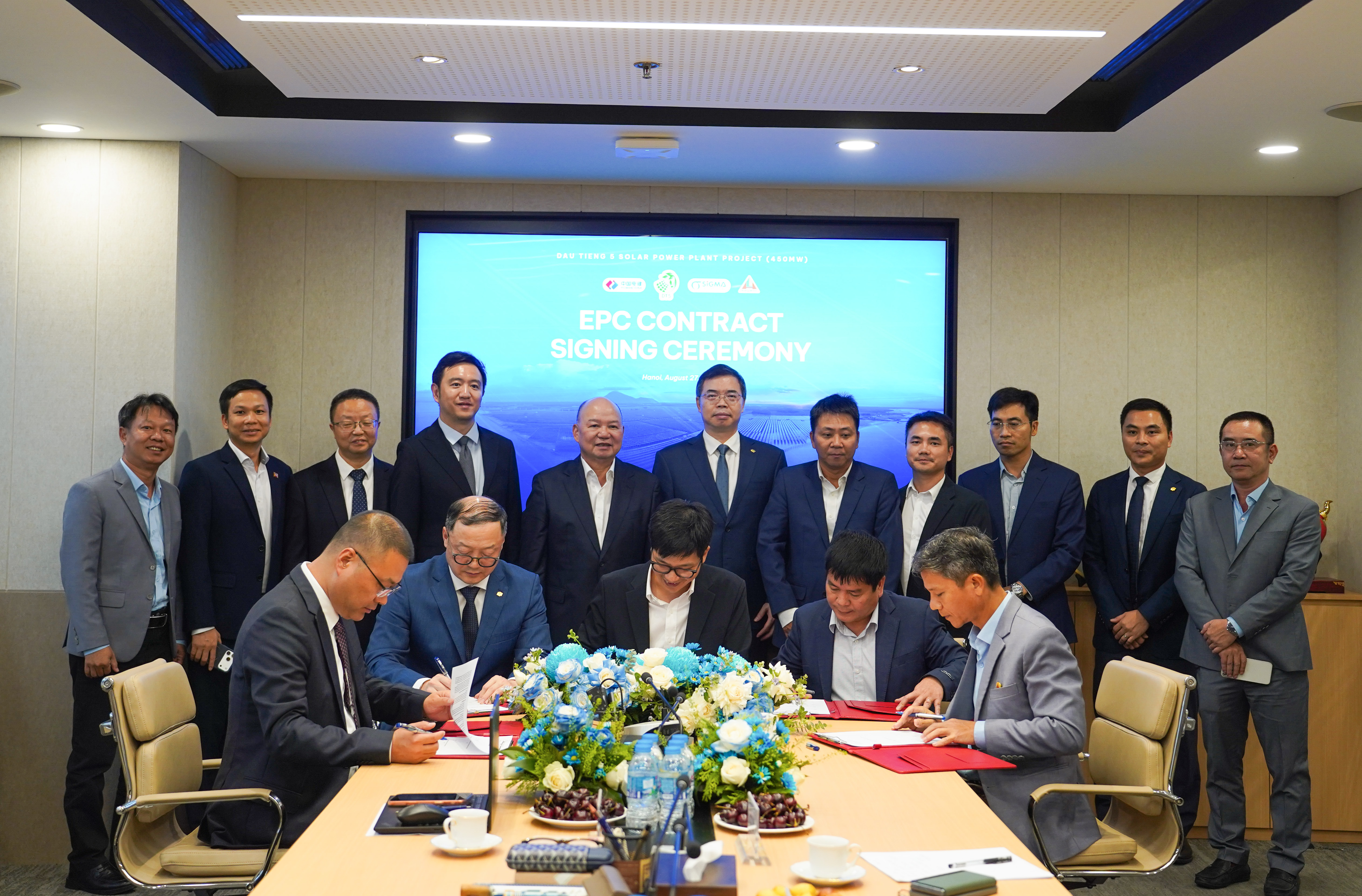
Engineering excellence in the petroleum industry must translate into efficient execution on site. EPC-oriented engineering ensures that designs are optimized for procurement, fabrication, and installation, reducing delays and cost overruns.
Within EPC construction frameworks, engineering deliverables are developed with a strong focus on constructability. Modularization strategies, installation sequencing, and interface management are incorporated early, especially in large petroleum engineering projects.
This EPC-aligned approach allows petroleum plant construction to progress predictably, even under complex site conditions and tight schedules. By aligning engineering outputs with procurement strategies, EPC-oriented execution minimizes risks associated with long-lead equipment, specialized materials, and international supply chains common in the petroleum industry. Clear material specifications, vendor data integration, and inspection planning ensure that critical components arrive on site in accordance with construction sequencing, supporting uninterrupted petroleum plant construction activities.
Effective EPC alignment also strengthens coordination across multiple disciplines and contractors. Centralized decision-making, standardized work processes, and unified quality controls reduce interface conflicts and rework, which are frequent challenges in large-scale petroleum engineering projects. This integrated governance model enhances accountability and maintains execution discipline from engineering through commissioning.
For asset owners in the petroleum industry, EPC-aligned execution delivers greater cost certainty and schedule reliability. By translating engineering intent into buildable, compliant solutions, this approach supports predictable project outcomes while preserving safety performance and long-term asset value under demanding operational conditions.

6. Digital Engineering and Project Controls
Digital Tools for Engineering Integration
As the petroleum industry advances, digital tools are increasingly embedded into engineering and project execution workflows. Technologies such as 3D modeling, intelligent layouts, and digital clash detection improve multidisciplinary coordination and enable early identification of design conflicts.
By enabling a shared digital environment, these tools allow engineering teams to align process, structural, mechanical, and utility designs within a single data set. In the petroleum industry, this level of integration reduces interface risks, supports constructability analysis, and ensures that design intent is consistently carried through to procurement and construction phases.
By providing real-time access to coordinated design data, digital tools enhance collaboration between engineering, procurement, and construction teams. This integrated digital workflow improves decision-making speed, reduces rework, and supports more predictable execution outcomes within complex petroleum industry projects.
Data-Driven Execution and Project Visibility
Through digital transformation construction , petroleum engineering projects gain enhanced transparency across disciplines, stronger schedule control, and more informed decision-making. Data-driven project controls support consistent progress tracking, reduce rework, and improve overall execution predictability.
This data-centric approach allows stakeholders in the petroleum industry to monitor engineering maturity, procurement status, and construction readiness in real time. By linking digital models with execution metrics, petroleum engineering projects benefit from proactive risk management, faster issue resolution, and improved alignment between planning and on-site activities.
By providing real-time access to coordinated design data, digital tools enhance collaboration between engineering, procurement, and construction teams. This integrated digital workflow improves decision-making speed, reduces rework, and supports more predictable execution outcomes within complex petroleum industry projects.
Digital Enablement by Hoàng Liên Sơn
Hoàng Liên Sơn applies digital engineering practices to strengthen accuracy, collaboration, and execution efficiency across petroleum projects. These digital workflows also support structured documentation, smoother handover, and long-term asset management within complex petroleum facilities.

7. Safety, Compliance, and Lifecycle Reliability
Safety and Regulatory Alignment
Safety and regulatory compliance are fundamental requirements within the petroleum industry. Engineering solutions are developed in accordance with international codes and industry standards, ensuring that facilities operate safely under high-risk conditions while meeting statutory and environmental obligations.
This alignment extends beyond initial design to encompass detailed engineering, material selection, and construction practices. In the petroleum industry, consistent application of regulatory requirements across all project phases reduces compliance risks, supports audit readiness, and establishes a robust foundation for safe and reliable long-term operations.
Integrated Safety Execution under EPC Delivery
Engaging an experienced EPC contractor ensures that safety considerations are embedded throughout the project lifecycle, from concept development to commissioning. Fire protection systems, hazardous area classification, and emergency response infrastructure are engineered as integrated components rather than isolated packages.
This integrated execution approach allows safety systems to be coordinated with process design, utilities, and operational layouts under a single governance structure. Within the petroleum industry, EPC-aligned safety execution improves interface management, accelerates issue resolution, and ensures that safety performance objectives are consistently achieved during both construction and start-up phases.
Lifecycle-Oriented Asset Reliability
Lifecycle-focused engineering enables petroleum assets to sustain performance over extended operating periods. By addressing maintainability, redundancy, and future operational flexibility during design, petroleum facilities can reduce downtime, enhance reliability, and adapt to evolving production and regulatory requirements.
This lifecycle perspective ensures that engineering decisions made during early project phases continue to deliver value throughout operation and maintenance. In the petroleum industry, such forward-looking design supports asset longevity, lowers the total cost of ownership, and strengthens resilience against changing operational demands and compliance expectations.
Conclusion
In the petroleum industry , industrial engineering is a strategic foundation for safe, efficient, and sustainable operations. From process design and structural engineering to EPC execution and digital integration, each discipline contributes to overall project success.
By adopting an integrated engineering approach, the petroleum industry can achieve predictable project delivery, stronger regulatory compliance, and long-term asset reliability. Supported by EPC-aligned execution and digital workflows, industrial engineering enables petroleum facilities to operate safely, adapt to future demands, and maximize value throughout the full asset lifecycle.
In the petroleum industry, industrial engineering serves as a strategic foundation for safe, efficient, and sustainable operations. From process design and structural engineering to EPC execution and digital integration, each discipline plays a critical role in shaping overall project success.
With proven experience in petroleum engineering projects and petroleum plant construction, Hoàng Liên Sơn delivers integrated solutions that meet international standards while supporting efficient execution and long-term reliability.
Partner with Hoàng Liên Sơn to develop high-performance engineering and construction solutions tailored to the evolving demands of the petroleum industry!