In recent years, the global energy landscape has been reshaped by the rapid expansion of renewable energy . Across industrial, commercial, and national infrastructure levels, renewable energy is no longer considered an alternative solution, but a core component of long-term energy planning. Engineering and construction practices, therefore, play a decisive role in determining how effectively renewable energy infrastructure performs over its lifecycle.
This shift reflects a broader redefinition of energy infrastructure, where renewable energy systems must be designed to meet both immediate generation needs and long-term operational resilience. As renewable energy deployment accelerates, infrastructure planning increasingly emphasizes engineering integrity, constructability, and system integration rather than isolated technology adoption. In this context, renewable energy infrastructure becomes a critical foundation supporting economic development, grid stability, and sustainable industrial growth.
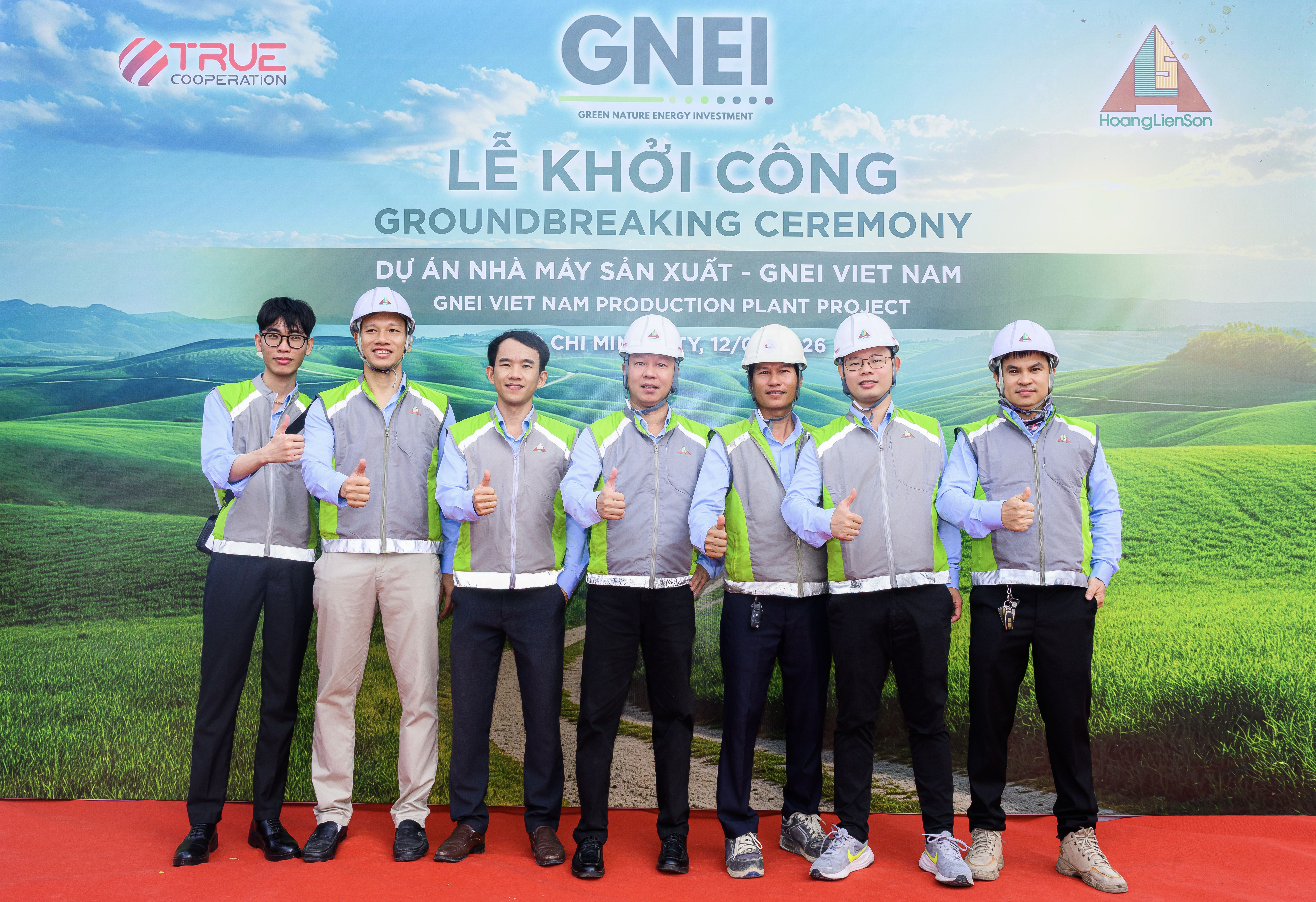
In markets such as Vietnam and Southeast Asia, companies operating in engineering and industrial construction—such as Hoàng Liên Sơn —are increasingly exposed to complex renewable energy requirements, not as brand narratives, but as part of a broader transformation in infrastructure development.
1. Renewable Energy as a Structural Shift in Infrastructure Planning
The transition toward renewable energy represents a structural shift rather than a temporary trend. Governments and investors are accelerating the deployment of renewable energy to address climate commitments, energy security, and long-term economic resilience. As a result, renewable energy infrastructure must now meet higher expectations in terms of durability, scalability, and integration.
Unlike conventional power systems, renewable energy projects are deeply influenced by site conditions, environmental factors, and grid constraints. This places the engineering discipline at the center of renewable energy development. Without robust engineering frameworks, even well-funded renewable energy projects can face performance degradation or operational instability.
From an infrastructure planning perspective, renewable energy requires a fundamentally different approach to asset design and spatial integration. Land use optimization, foundation systems, and access infrastructure must be considered early in the planning phase to ensure constructability and long-term operability. In many cases, renewable energy infrastructure is developed in remote or environmentally sensitive areas, increasing the importance of precise engineering coordination and risk assessment during pre-construction stages.
Moreover, the scalability of renewable energy systems introduces additional complexity to infrastructure planning. Unlike centralized power plants, renewable energy assets are often deployed in modular phases, requiring infrastructure that can accommodate future expansion without compromising performance or grid stability.

2. Engineering Complexity in Renewable Energy Infrastructure
Engineering for renewable energy is inherently multidisciplinary. Civil, structural, electrical, and mechanical engineering must be aligned to ensure that renewable energy infrastructure operates safely and efficiently. Each design decision—foundation type, structural system, cable routing, or protection scheme—directly impacts the long-term viability of renewable energy assets.
From an engineering perspective, renewable energy requires a higher tolerance for environmental exposure and operational variability. Wind loads, thermal expansion, humidity, and corrosion risks must all be addressed through precise engineering standards. This is particularly critical when renewable energy infrastructure is developed in coastal or industrial zones.
3. Construction Execution and Risk Management in Renewable Energy Projects
Construction Risk Profile in Renewable Energy Development
Construction represents one of the most risk-intensive phases in renewable energy development. Schedule delays, interface conflicts, and quality deviations can directly impact project economics, making structured construction management a strategic necessity rather than a supporting function.
The risk profile of renewable energy construction is further amplified by external dependencies and site-specific constraints. Factors such as variable weather conditions, complex logistics for large-scale equipment, and regulatory approval timelines can introduce uncertainty into construction schedules. When these risks are not systematically identified and managed, they can cascade into cost overruns, contractual disputes, and compromised project performance.
Alignment Between Engineering Intent and Site Execution
In renewable energy projects, construction activities must strictly adhere to approved engineering designs. Site-level deviations—such as improper installation tolerances or inadequate material handling—can compromise the long-term performance of renewable energy infrastructure. As a result, construction methodologies increasingly align with those applied in high-standard industrial sectors.
Maintaining this alignment requires clear construction procedures, systematic inspections, and close coordination between engineering and site teams. Early identification of deviations through continuous supervision helps prevent performance losses and ensures that renewable energy infrastructure is delivered in accordance with its intended design standards.
Interface Coordination and Execution Complexity
Effective construction execution depends on rigorous coordination among multiple contractors, equipment suppliers, and engineering teams. High interface dependency increases the risk of misalignment, where inadequate communication or improper sequencing can lead to rework, safety incidents, and cost overruns as renewable energy infrastructure projects scale in size and technical complexity.
As a result, structured interface management and clear responsibility definitions are essential to maintain schedule integrity and construction quality. Coordinated planning and continuous information exchange help minimize execution risks and ensure alignment across all project stakeholders.
Standardization, Quality Control, and On-Site Supervision
To mitigate execution risks, construction management practices must emphasize standardized procedures, robust quality assurance systems, and continuous on-site supervision. These elements help ensure that construction activities remain aligned with approved engineering designs and performance requirements throughout the project lifecycle.
Together, these controls create a disciplined construction environment that reduces variability, prevents non-conformities, and supports consistent delivery outcomes. By enforcing clear standards and maintaining active oversight on site, renewable energy projects can achieve higher reliability and long-term infrastructure integrity.
In addition to environmental factors, the engineering complexity of renewable energy infrastructure is intensified by the need for strict compliance with evolving technical standards and regulatory frameworks. Grid codes, safety regulations, and international design standards must be continuously integrated into engineering workflows, often requiring iterative coordination between design disciplines.
As renewable energy systems become more interconnected and technology-driven, engineering teams must balance innovation with reliability to ensure that infrastructure performance remains consistent throughout the operational lifespan of renewable energy assets.

4. EPC Models and Their Role in Renewable Energy Development
The adoption of the EPC construction model reflects a broader effort to control complexity in renewable energy projects. By integrating engineering, procurement, and construction, EPC frameworks reduce fragmentation and improve accountability throughout the project lifecycle.
For large-scale renewable energy infrastructure, EPC delivery helps align design assumptions with actual construction conditions. This alignment is critical when managing imported equipment, local construction constraints, and regulatory compliance. As renewable energy projects grow in scale, the EPC approach becomes a practical necessity rather than an optional delivery model.
Beyond integration efficiency, EPC models also provide a clearer risk allocation structure for renewable energy development. By centralizing responsibility under a single contractual framework, EPC delivery reduces interface disputes and minimizes coordination gaps between engineering design and on-site execution.
This risk-managed approach is particularly relevant for renewable energy infrastructure projects involving complex supply chains, tight commissioning schedules, and performance guarantees, where accountability and execution certainty are critical to overall project success.
5. Renewable Energy Infrastructure and Grid Stability
Grid Stability as a Core Engineering Challenge
Grid stability remains one of the most debated issues in renewable energy development. As intermittent generation increases, renewable energy infrastructure must be engineered to integrate seamlessly with existing power networks, requiring advanced system modeling, protection coordination, and monitoring strategies.
Beyond technical compliance, grid stability has become a key performance criterion influencing project bankability and long-term operability. Inadequate consideration of grid behavior can result in curtailment, reduced capacity factors, or non-compliance with grid codes.
Consequently, grid-related engineering decisions made during the early design phase play a decisive role in ensuring that renewable energy infrastructure can operate reliably within increasingly complex and dynamic power systems.
Renewable Energy within an Interconnected Energy Ecosystem
From an infrastructure perspective, renewable energy is no longer treated as isolated generation capacity. It functions as part of an interconnected energy ecosystem, where early-stage engineering decisions directly influence how effectively systems respond to grid fluctuations and load variations.
Within this ecosystem, renewable energy infrastructure must be designed with a high degree of flexibility and controllability. Grid-responsive technologies—such as advanced inverters, energy management systems, and real-time monitoring platforms—enable assets to adapt to changing load profiles and stability requirements.
By embedding these capabilities into the engineering phase, renewable energy projects can support grid reliability while maintaining consistent operational performance as system complexity continues to increase.
Flexibility and Controllability in Grid Integration Engineering
To address these challenges, grid integration engineering increasingly emphasizes flexibility and controllability. Technologies such as advanced inverters, energy management systems, and real-time monitoring platforms enable renewable energy infrastructure to respond dynamically to grid conditions, enhance system stability, reduce curtailment risks, and support reliable operation as renewable energy penetration continues to rise.
Beyond technical performance, flexibility and controllability also influence regulatory compliance and grid operator acceptance. Renewable energy systems that can actively support frequency control, voltage regulation, and fault ride-through capabilities are better positioned to integrate into increasingly complex power networks. As grid codes evolve, engineering solutions that embed controllability at the design stage will become a critical enabler for large-scale and stable renewable energy deployment.
6. Digitalization Trends in Renewable Energy Construction
The integration of digital transformation construction practices is reshaping how renewable energy projects are planned and executed. Digital tools support transparency, real-time reporting, and data-driven decision-making across engineering and construction phases.
In the context of renewable energy infrastructure, digital construction platforms also create long-term value by enabling predictive maintenance and performance analysis. As asset owners increasingly demand operational data continuity, digitalization becomes an essential component of modern renewable energy projects.
Beyond construction efficiency, digitalization also influences how renewable energy infrastructure is managed throughout its operational lifecycle. Data generated during engineering and construction phases can be structured into digital asset models, supporting condition monitoring, fault analysis, and long-term performance optimization.
By maintaining continuity between project delivery and operation, digital transformation construction practices help ensure that renewable energy systems achieve higher reliability, reduced downtime, and more informed decision-making over time.
As digital capabilities continue to mature, their role in renewable energy construction is expanding from project support to strategic infrastructure management. Advanced analytics, automation, and integrated data platforms enable earlier risk identification, improved resource planning, and enhanced coordination among engineering, construction, and operations teams.
By embedding digital processes across the full project lifecycle, renewable energy infrastructure can be managed with greater precision, adaptability, and long-term operational insight.
7. Lessons from Conventional Energy and Industrial Sectors
Many engineering principles applied in renewable energy are derived from experience in traditional sectors such as oil and gas and the petroleum industry . These sectors have long emphasized safety, redundancy, and lifecycle performance—principles that are equally relevant to renewable energy infrastructure.
By adopting industrial-grade engineering standards, renewable energy projects can achieve higher reliability and reduced operational risk. This cross-sector transfer of knowledge continues to shape best practices in renewable energy engineering and construction.
In practice, this transfer of engineering knowledge influences how renewable energy infrastructure is designed, constructed, and maintained. Methodologies related to hazard analysis, quality assurance, and system redundancy—commonly used in oil and gas and the petroleum industry—are increasingly applied to renewable energy projects to enhance safety margins and operational robustness.
As renewable energy installations grow in scale and criticality, adopting these proven industrial frameworks helps ensure consistent performance and long-term infrastructure resilience. Beyond technical methodologies, conventional energy sectors also provide valuable lessons in project governance and risk management that are increasingly relevant to renewable energy infrastructure.
Structured decision-making processes, rigorous change control, and clearly defined accountability frameworks help manage complexity across large-scale developments. By incorporating these governance practices alongside industrial engineering standards, renewable energy projects can better control execution risk, enhance coordination across stakeholders, and maintain infrastructure integrity throughout both construction and operational phases.

8. Supporting Systems within Renewable Energy Facilities
Beyond power generation equipment, renewable energy facilities require a range of supporting systems to ensure stable operation. These include control rooms, auxiliary power systems, and HVAC systems integrated into the overall renewable energy infrastructure.
The effectiveness of these systems is often underestimated, yet they play a critical role in maintaining equipment reliability and operational safety. Engineering coordination between core renewable energy assets and supporting facilities is therefore essential.
When supporting systems are not properly engineered or integrated, renewable energy facilities may experience reduced efficiency, increased maintenance requirements, or unexpected operational disruptions. Factors such as thermal control, environmental protection, and power continuity must be considered as part of a unified infrastructure design rather than isolated components.
By treating supporting systems as integral elements of renewable energy infrastructure, engineering teams can improve overall system reliability and create more stable operating conditions throughout the facility lifecycle.
In addition, the design of supporting systems must account for operational accessibility and maintenance efficiency throughout the life of renewable energy facilities. Layout planning, equipment redundancy, and monitoring capabilities all influence how quickly issues can be identified and resolved without interrupting power generation.
By integrating maintainability considerations into early engineering stages, renewable energy infrastructure can achieve higher operational availability, lower lifecycle costs, and improved resilience under varying operating conditions.
9. Long-Term Performance and Sustainability Considerations
Sustainability as an Infrastructure Performance Issue
Sustainability in renewable energy extends beyond carbon reduction targets to include durability, adaptability, and maintainability of infrastructure systems. Engineering and construction decisions made during early project phases directly shape performance outcomes over multiple decades.
From an infrastructure performance perspective, sustainability requires systems to maintain structural integrity and operational efficiency under long-term environmental and operational stress. Renewable energy infrastructure must be designed to withstand changing load conditions, climate exposure, and evolving regulatory requirements without compromising safety or reliability.
Lifecycle-Oriented Engineering and Design Strategy
A lifecycle-oriented planning approach promotes the use of resilient materials, modular configurations, and integrated monitoring systems that support continuous optimization. Within this framework, renewable energy is positioned as a long-term infrastructure asset rather than a short-term technology deployment.
By considering the full lifecycle from design and construction through operation and eventual upgrades, engineers can anticipate maintenance requirements, reduce total ownership cost, and extend asset service life. This approach enables renewable energy infrastructure to remain technically relevant and operationally efficient as performance expectations and technological standards continue to evolve.
Adaptability to Evolving External Conditions
Long-term sustainability is closely linked to an infrastructure’s ability to respond to regulatory changes, technological evolution, and environmental uncertainty. Systems designed with upgrade potential and operational flexibility allow asset owners to improve efficiency and comply with future standards without major reconstruction.
In practice, this means incorporating modular components, scalable system architectures, and flexible control strategies that can accommodate new technologies or changing energy demands. By embedding adaptability into the engineering and construction phases, renewable energy infrastructure can maintain high performance and regulatory compliance throughout its operational lifecycle, even as external conditions shift.
Prioritizing Lifecycle Performance over Initial Cost
By emphasizing lifecycle performance instead of short-term cost optimization, renewable energy projects can achieve greater operational stability, predictable maintenance requirements, and sustained value throughout their service life.
This approach encourages investment in higher-quality materials, advanced monitoring systems, and robust construction practices that may increase upfront costs but significantly reduce long-term risks and operational disruptions. By focusing on total lifecycle value rather than initial expenditure, renewable energy infrastructure can deliver reliable performance and cost efficiency over decades.
Performance Monitoring and Data-Driven Sustainability
Sustainability assessment increasingly relies on continuous performance monitoring and data-driven decision-making during operation. Ongoing evaluation of structural integrity, system efficiency, and environmental impact enables proactive maintenance and informed upgrade planning.
By leveraging real-time data and analytics, operators can identify emerging issues before they escalate, optimize maintenance schedules, and make evidence-based decisions for system improvements. Integrating performance monitoring into renewable energy infrastructure ensures that sustainability goals are continuously met and operational efficiency is maximized throughout the asset’s lifecycle.
Operational Intelligence and Adaptive Management
Embedding monitoring and feedback mechanisms into renewable energy infrastructure from the outset ensures that sustainability objectives are reinforced not only through initial design intent, but through continuous operational intelligence and adaptive management strategies over the asset lifecycle.
This adaptive approach allows asset owners to respond proactively to changing conditions, optimize system performance, and implement upgrades or adjustments based on real-world operational data. By combining continuous monitoring with intelligent decision-making, renewable energy infrastructure can achieve long-term reliability, resilience, and sustained value beyond its original design parameters.

Conclusion
As renewable energy continues to expand, the conversation is shifting from capacity targets to engineering quality and infrastructure performance. The success of future renewable energy infrastructure will depend not only on policy support and financing, but on disciplined engineering, effective construction management, and long-term operational thinking.
Viewed from this perspective, renewable energy is no longer just an environmental solution—it is an evolving engineering discipline that demands the same rigor as any major industrial infrastructure system. As this transition progresses, the role of engineering and construction professionals becomes increasingly critical in translating renewable energy ambitions into reliable, long-lasting infrastructure.
Technical rigor, coordination across disciplines, and a lifecycle-oriented mindset will ultimately determine whether renewable energy systems can meet rising performance expectations. By approaching renewable energy development as a comprehensive infrastructure challenge rather than a standalone technology solution, stakeholders can better ensure stability, resilience, and sustained value in the global energy landscape.
If your organization is seeking a reliable partner for engineering, EPC, and construction solutions in renewable energy and renewable energy infrastructure, Hoàng Liên Sơn provides professional capabilities aligned with international engineering and construction standards.
Contact Hoàng Liên Sơn to discuss technical requirements, project scope, and long-term infrastructure solutions for your renewable energy projects!