In recent years, the global transition to sustainable energy has positioned solar power construction as a cornerstone of modern energy strategies. Utility-scale solar plants are no longer considered supplementary solutions; they represent critical infrastructure requiring advanced engineering, precise planning, and coordinated construction practices.
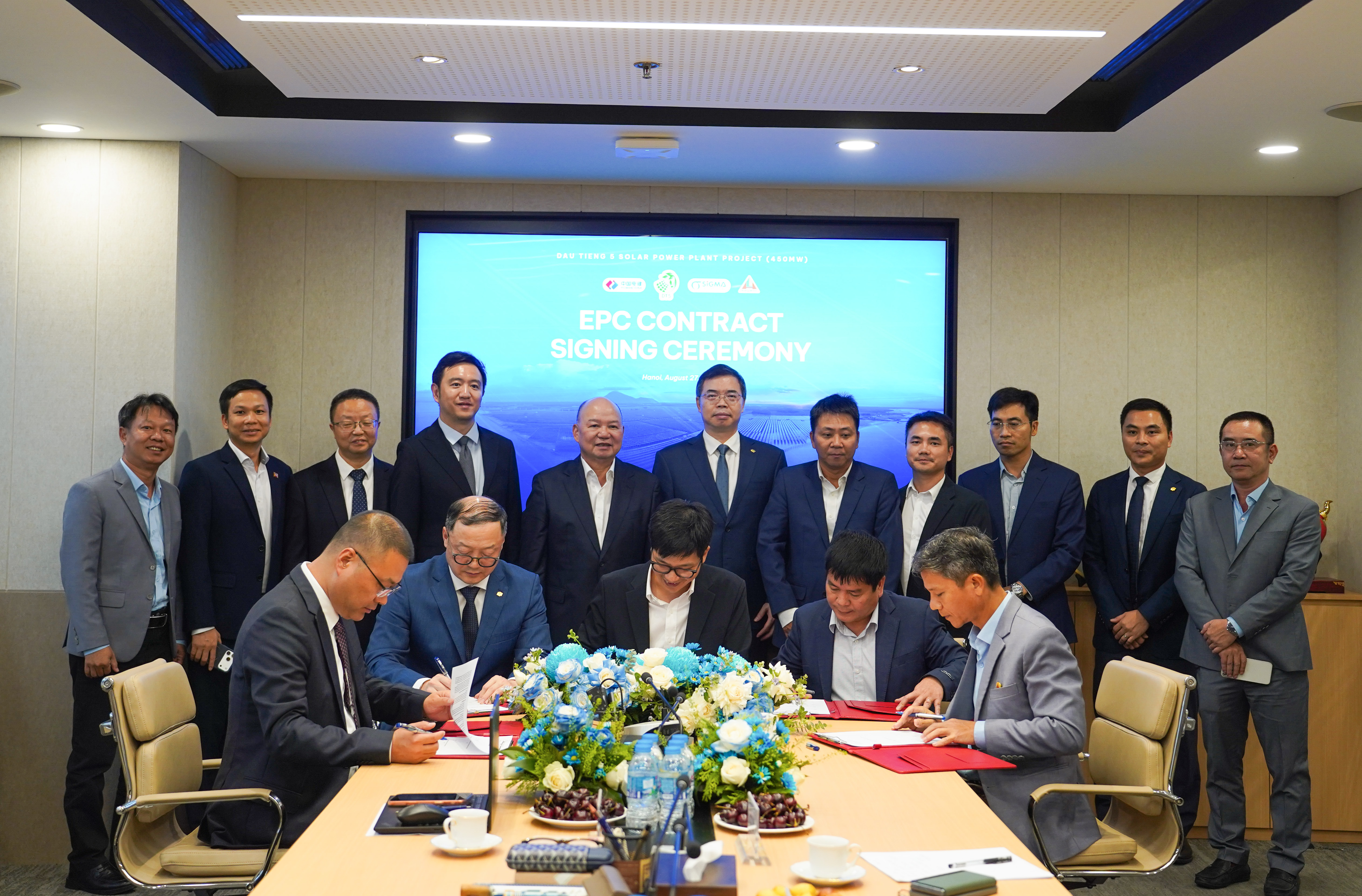
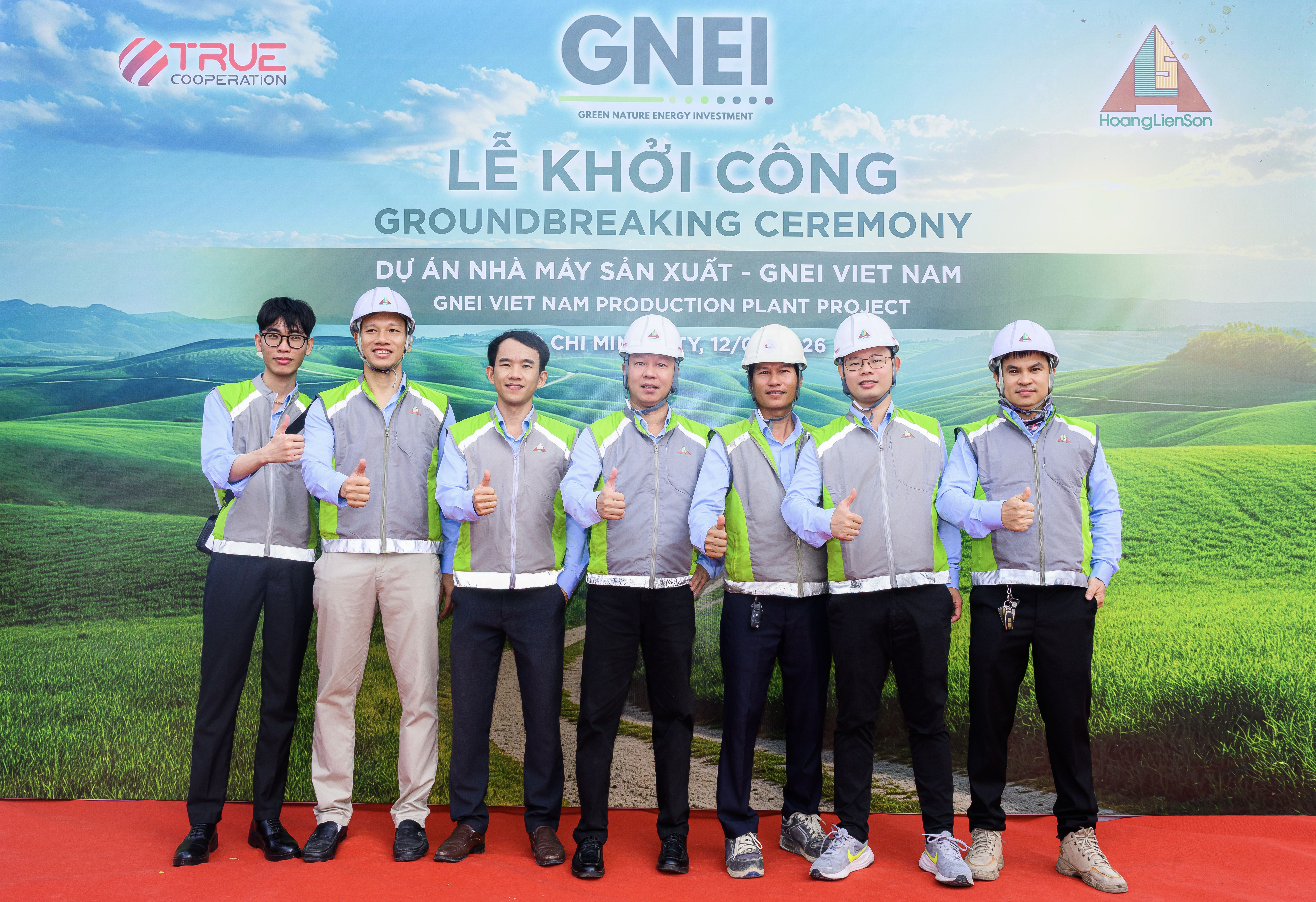
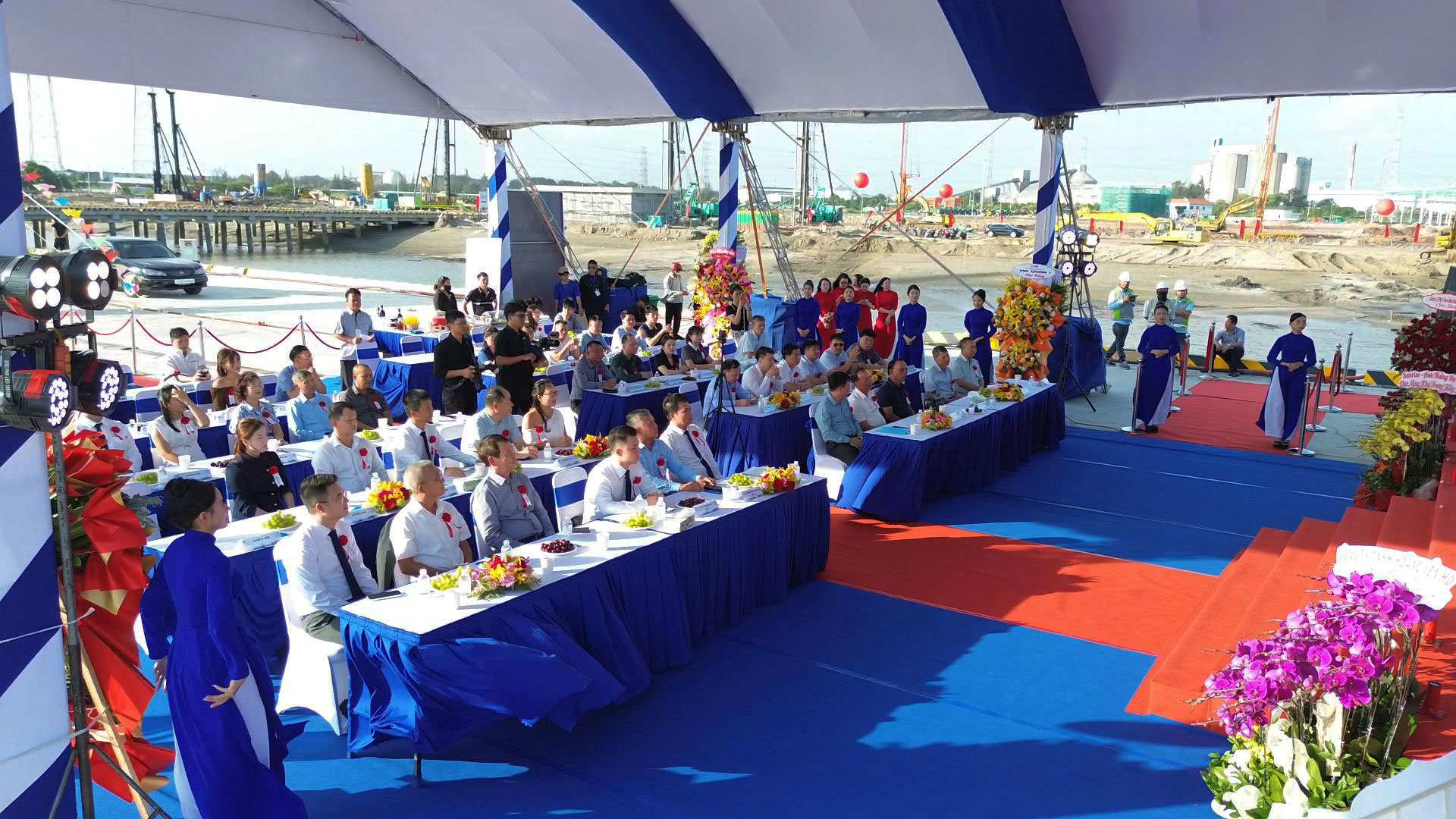
Companies like Hoàng Liên Sơn provide comprehensive expertise in solar power plant construction , delivering high-quality engineering, construction, and project management services that ensure efficiency, reliability, and long-term performance. From site selection to grid integration and operational optimization, every stage demands meticulous attention to detail and adherence to industrial-grade standards.
1. Introduction: Solar Power Construction as a Strategic Energy Solution
In recent years, the global transition to sustainable energy has elevated solar power construction to a central role in energy infrastructure development. Utility-scale solar plants are no longer supplementary solutions; they are critical assets requiring meticulous engineering, detailed planning, and integrated construction practices.
From site selection and solar power plant construction to grid integration and operational optimization, each stage demands rigorous attention to detail and adherence to industrial-grade engineering standards. Solar projects now face complex challenges, including environmental constraints, variable solar irradiance, and evolving regulatory requirements.
This article provides a comprehensive overview of solar power construction, exploring key technical considerations, engineering complexity, construction risk management, digitalization trends, and sustainability strategies to ensure long-term performance and operational reliability.
As the demand for clean energy continues to grow, solar power construction is increasingly seen not only as a technical endeavor but also as a strategic investment in resilient infrastructure. Effective project delivery requires a holistic approach that integrates site assessment, engineering design, construction execution, and operational planning.
By addressing challenges such as terrain variability, weather-related risks, and grid connectivity from the outset, developers engaged in solar power construction can optimize energy yield, reduce lifecycle costs, and enhance the reliability of solar facilities. This foundation ensures that solar power construction projects can meet both current energy needs and future scalability requirements, solidifying their role as a cornerstone of sustainable energy strategies.

2. Site Planning and Preliminary Engineering
Site assessment is the foundation of a successful solar power construction project. The effectiveness of a solar power plant begins with evaluating solar irradiance, topography, soil characteristics, and environmental impact. Proper site planning ensures maximum energy yield, minimizes operational risks, and supports long-term performance. Key aspects include:
Solar irradiance measurement
Determines optimal panel orientation and layout for maximum efficiency. Precise measurement of solar irradiance allows engineers to model expected energy output, adjust tilt angles, and plan row spacing to minimize shading effects. It also informs decisions regarding fixed-tilt versus tracking systems, helping to maximize electricity generation throughout seasonal variations.
Accurate irradiance analysis ensures that solar power construction achieves both immediate performance targets and long-term energy yield reliability. Additionally, integrating irradiance data with terrain and weather models allows project teams to anticipate seasonal and regional variations in solar exposure.
Geotechnical studies
Assess soil bearing capacity and guide foundation selection for trackers and fixed-tilt arrays. Detailed geotechnical investigation evaluates soil composition, load-bearing characteristics, drainage conditions, and potential settlement risks. These studies directly influence foundation design, including the choice between pile-driven, ground-screw, or mat foundations.
By addressing soil and terrain challenges early, developers ensure structural stability, reduce maintenance costs, and extend the lifespan of the solar power plant infrastructure. Furthermore, geotechnical insights enable engineers to optimize the spacing and anchoring of solar panels, particularly for tracking systems that impose dynamic loads on foundations.
Environmental and regulatory compliance
Ensures adherence to local zoning, biodiversity preservation, and permitting requirements. Environmental assessments evaluate potential impacts on local ecosystems, water resources, and wildlife, while regulatory compliance confirms that the project meets municipal, regional, and national guidelines.
Proper integration of environmental considerations during solar power plant construction minimizes legal risks, supports sustainable development, and helps secure long-term operational permits. Compliance planning also includes mitigation strategies such as reforestation, wildlife corridors, or soil erosion controls, ensuring the project aligns with both ecological and community standards.
=> Integrating these assessments early allows engineers to design solar power plant construction that balances energy output with durability and resilience under local climate conditions.
3. Engineering Complexity in Solar Power Construction
Solar power construction involves a multidisciplinary engineering approach, combining civil, structural, electrical, and mechanical design. Each element must be precisely coordinated to guarantee safety, efficiency, and long-term performance. Challenges include:
Structural design
Foundations and mounting systems must accommodate panel weight, wind loads, and potential seismic activity. Detailed structural engineering ensures that racking systems are designed for local environmental conditions, including wind pressure, snow loads, and ground settlement.
This includes selecting appropriate materials, corrosion protection, and anchoring methods to maintain structural integrity over decades. Proper structural design directly influences the safety, durability, and performance of the entire solar power plant, minimizing maintenance requirements and ensuring reliable energy production.
Electrical design
Foundations and mounting systems must accommodate panel weight, wind loads, and potential seismic activity. Detailed structural engineering ensures that racking systems are designed for local environmental conditions, including wind pressure, snow loads, and ground settlement.
This includes selecting appropriate materials, corrosion protection, and anchoring methods to maintain structural integrity over decades. Proper structural design directly influences the safety, durability, and performance of the entire solar power plant, minimizing maintenance requirements and ensuring reliable energy production.
Mechanical considerations
Tracking systems require precise alignment and durability to maintain optimal sunlight capture. Mechanical engineering addresses the selection of motors, actuators, and structural bearings, ensuring smooth operation under varying weather conditions. Maintenance accessibility, lubrication requirements, and thermal expansion are also evaluated to prevent mechanical failure.
By integrating these considerations into solar power construction, developers can sustain consistent panel alignment, maximize daily energy generation, and reduce the risk of operational downtime.
=> Adopting industrial-grade engineering principles enhances reliability and minimizes operational risk. By applying lessons from high-standard industrial sectors, solar projects achieve consistent performance even under variable environmental conditions.

4. Construction Execution and Risk Management
Construction is one of the most risk-intensive phases of solar power construction. Delays, interface conflicts, and quality deviations can directly impact project economics. Critical elements of construction management include:
Alignment with engineering designs
Ensures proper installation tolerances, material handling, and structural integrity. Precise adherence to engineering specifications is essential to maintain foundation stability, panel orientation, and electrical system performance. Deviations at the site level—such as misaligned racks, improperly tightened fasteners, or damaged components—can reduce energy output and increase long-term maintenance costs.
By enforcing strict alignment with engineering designs, solar power construction projects achieve higher operational reliability and safety standards. In addition, regular verification and inspection during installation help identify potential issues before they escalate, ensuring that all components function as intended.
Coordination among contractors and suppliers
Multiple stakeholders must work in sync to avoid rework and safety incidents. Effective project execution requires clear communication between civil, electrical, and mechanical teams, as well as equipment suppliers and logistics providers. Scheduling, resource allocation, and interface management are critical to prevent delays, cost overruns, and conflicts on-site.
Proper coordination ensures that all aspects of the solar power plant construction process are executed smoothly and efficiently, supporting timely project completion. Regular coordination meetings and progress tracking tools further enhance collaboration, allowing teams to quickly resolve issues and adjust workflows as needed.
Standardized quality control
On-site supervision, checklists, and inspections maintain consistent standards across the plant. Quality assurance processes include material verification, installation audits, electrical testing, and mechanical inspections. Standardized protocols help detect issues early, enforce compliance with design specifications, and guarantee safety for both personnel and equipment.
Implementing robust quality control practices in solar power construction ensures long-term plant performance, reduces operational risks, and supports sustainable energy generation.
=> Risk mitigation strategies such as phased scheduling, constructability reviews, and contingency planning help anticipate logistical, environmental, or regulatory challenges, ensuring reliability and cost control throughout the project lifecycle.
5. EPC Models and Integrated Project Delivery
For utility-scale solar power plant construction, EPC (Engineering, Procurement, Construction) models are increasingly adopted to manage complexity. By integrating all project phases under a single delivery framework, EPC models:
- Align design intent with site execution
- Simplify coordination of imported equipment and local construction constraints
- Streamline regulatory compliance and inspection processes
This integrated approach ensures efficiency, reduces fragmentation, and improves accountability, particularly for large-scale solar projects that require precise alignment between engineering and construction activities.
Moreover, EPC delivery enables proactive risk management by providing a unified framework to anticipate and address potential challenges in procurement, logistics, and construction sequencing.
Centralized oversight ensures that all contractors, suppliers, and engineering teams work in concert, minimizing delays and preventing miscommunication that could compromise project quality. In addition, the EPC approach allows for real-time monitoring of material availability, installation progress, and adherence to design specifications, ensuring that every phase of solar power construction aligns with both technical requirements and regulatory standards.
By fostering accountability across all project stakeholders, EPC models not only enhance schedule reliability and cost control but also contribute to long-term operational performance, ultimately maximizing the efficiency and durability of utility-scale solar power plants.

6. Digitalization in Solar Power Construction
The adoption of digital transformation construction practices is reshaping solar power construction. Digital tools support transparency, real-time reporting, and data-driven decision-making across engineering and construction phases.
Benefits of digitalization include:
- Predictive maintenance using historical and real-time performance data
- Continuous asset monitoring post-construction
- Digital twin models for lifecycle management and performance optimization
By integrating digital platforms, solar projects achieve higher efficiency, fewer errors, and more informed operational decisions over the plant’s lifetime. Furthermore, digitalization facilitates seamless collaboration between design, procurement, and on-site teams, reducing delays and miscommunication during solar power construction.
Through centralized data platforms, project managers can track installation progress, verify compliance with engineering specifications, and quickly address deviations during solar power construction. Over the operational phase, digital tools provide actionable insights for energy output optimization, predictive fault detection, and maintenance scheduling, ensuring that every aspect of solar power construction aligns with performance goals.
By embedding these capabilities from the outset, utility-scale solar power construction projects can enhance reliability, extend equipment lifespan, and maximize return on investment while maintaining compliance with evolving regulatory and environmental standards.
7. Lessons from Conventional Energy Sectors
Many engineering principles applied in solar power construction are drawn from conventional energy sectors, including oil and gas and the petroleum industry . Safety, redundancy, and lifecycle performance standards are directly transferable to solar infrastructure. Key applications include:
Hazard analysis and quality assurance protocol
Adopting rigorous safety assessments and inspection procedures from industrial sectors helps identify potential risks early in the design and construction phases, minimizing downtime and preventing accidents during solar power construction.
System redundancy and operational safety planning
Incorporating redundant electrical and mechanical systems ensures continuous power generation even under component failures, enhancing the overall resilience of solar power plants.
Governance and risk management frameworks
Proven industrial practices in project oversight, change control, and accountability provide a structured approach to managing complex construction processes, coordinating contractors, and maintaining high standards of quality and safety.
=> By integrating these established frameworks, solar power construction projects achieve higher operational reliability, reduced long-term risk, and sustainable performance, ensuring that utility-scale solar plants can deliver consistent energy output over decades.

8. Supporting Systems in Solar Power Plants
Beyond panels and inverters, utility-scale solar plants require supporting systems such as:
- Control rooms and SCADA systems
- Auxiliary power units
- HVAC systems for electrical enclosures and monitoring facilities
Proper integration of these systems is essential to maintain equipment reliability and overall operational efficiency. Poorly engineered supporting systems can lead to increased maintenance, operational disruptions, and reduced energy output.
Effective coordination between core solar power generation assets and supporting systems ensures seamless operation and reduces the risk of unplanned downtime. For instance, well-designed HVAC systems maintain optimal temperature and humidity levels within electrical enclosures, protecting sensitive equipment from overheating and corrosion.
Similarly, robust SCADA and control room setups enable real-time monitoring, fault detection, and rapid response to anomalies. By treating supporting systems as integral components of solar power construction, developers can enhance overall plant reliability, extend equipment lifespan, and maximize long-term energy production.
9. Sustainability and Lifecycle Performance
Sustainability in solar power construction extends beyond energy output and carbon reduction. It emphasizes durability, adaptability, and maintainability. Key strategies include:
Lifecycle-oriented planning with resilient materials and modular designs
Selecting corrosion-resistant materials, modular racking systems, and scalable electrical layouts allows solar power plants to withstand environmental stressors and adapt to technological advancements without major reconstruction.
Integrated monitoring and feedback systems for predictive maintenance
Real-time data collection and performance analytics enable early detection of equipment degradation, faults, or inefficiencies, allowing maintenance to be scheduled proactively rather than reactively.
Flexible infrastructure capable of future upgrades
Designing plant layouts, electrical networks, and structural components with flexibility in mind ensures that new technologies, additional capacity, or regulatory changes can be accommodated efficiently.
=> By prioritizing lifecycle performance over initial cost considerations, solar power construction projects achieve consistent value, operational stability, and compliance with evolving regulatory and environmental standards. Continuous, data-driven performance assessment supports informed decision-making, enhances system longevity, and ensures that solar plants deliver reliable energy production throughout their operational life.

10. Future-Proofing Solar Power Infrastructure
Long-term success in solar power construction requires infrastructure capable of adapting to:
- Regulatory changes
- Technological evolution
- Environmental variability
Designing for flexibility, scalability, and upgrade potential ensures solar power plants remain efficient, resilient, and compliant as energy systems evolve. Incorporating monitoring, predictive analytics, and modular components supports sustainable operations over decades.
Furthermore, by embedding these adaptive strategies into solar power construction from the outset, project developers can minimize future retrofitting costs, enhance operational reliability, and maximize energy output. This forward-looking approach ensures that solar plants continue to deliver value and performance well into the future.
Conclusion
The expansion of solar energy demands rigorous engineering, disciplined construction management, and forward-looking lifecycle planning. Success in solar power construction relies on integrating advanced technical standards, digital tools, and sustainability strategies across all phases of a project.
Utility-scale solar power plants that adopt these practices deliver reliable energy, operational resilience, and long-term infrastructure value.
Contact Hoàng Liên Sơn today to plan and execute your next solar power plant construction project with professional engineering and delivery services!